




Asphalt resurfacing Albany is a strategic investment for maintaining residential driveways and commercial parking lots. Expert assessments identify damage like cracks, potholes, and uneven surfaces. Techniques vary from sealcoat application for driveways to mill and fill or full depth repair for larger areas. Specialized materials and advanced technologies enhance durability, reduce costs, and minimize environmental impact. Regular resurfacing extends asphalt lifespan up to 75%, improves safety, flow, and aesthetics, saving costs in Albany's seasonal changes. Costs range $1-$5 per square foot, with regular maintenance crucial for long-term pavement health.
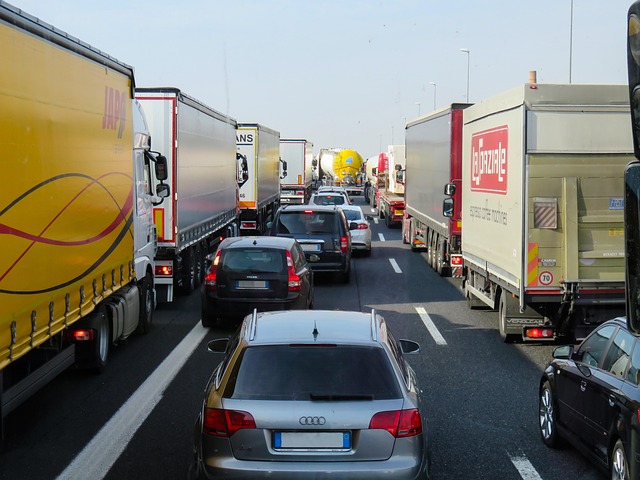
In the ever-evolving landscape of urban infrastructure, ensuring optimal road conditions is paramount for efficient transportation and public safety. Asphalt, a ubiquitous material in Albany’s streetscape, faces natural degradation over time, leading to potholes, cracks, and reduced flow, negatively impacting both traffic circulation and driver experience. This article delves into the critical aspect of asphalt restoration, exploring how targeted resurfacing techniques can rejuvenate our city’s roads, restoring not only their structural integrity but also enhancing overall traffic flow in the vibrant heart of Albany.
- Evaluating Asphalt Damage in Albany: Initial Assessment
- Resurfacing Techniques: Revitalizing Driveways and Roads
- Choosing the Right Materials for Longevity and Safety
- Expert Guidance: Step-by-Step Asphalt Restoration Process
Evaluating Asphalt Damage in Albany: Initial Assessment
Evaluating Asphalt Damage in Albany Requires a Comprehensive Approach to Ensure Efficient Asphalt Resurfacing. The initial assessment is crucial, as it provides insights into the extent of deterioration, enabling experts like those at HMA Contracting Corp at 535 Brickyard Road Schaghticoke, NY 12154 to recommend tailored solutions. For instance, a residential driveway or a bustling parking lot in Albany may exhibit different damage patterns necessitating distinct restorative techniques. Cracks, potholes, and uneven surfaces are common indicators of wear and tear, especially in colder climates where HMA has honed its expertise.
During the initial assessment, professionals consider factors such as traffic volume, load bearing capacity, and environmental influences to determine the best course of action. For larger areas like parking lots, a thorough inspection includes checking for structural integrity, identifying weak spots, and assessing the overall condition of the asphalt. In residential settings, focusing on driveway sealing becomes paramount. Recommendations for residential driveway sealing can vary from 1-3 times annually depending on factors like sun exposure, traffic, and local climate conditions.
Data suggests that timely asphalt resurfacing or sealing can extend the lifespan of these surfaces by as much as 75%. This not only saves on costly repairs but also enhances the overall aesthetics of both commercial and residential properties in Albany. By prioritizing regular assessments and following expert recommendations for resealing, property owners can ensure their asphalt surfaces remain functional, safe, and visually appealing throughout varying seasonal changes.
Resurfacing Techniques: Revitalizing Driveways and Roads

Asphalt resurfacing Albany is a crucial process for maintaining and improving the condition of both residential driveways and commercial roads. When a surface begins to show signs of wear and tear, such as cracks, ruts, or uneven patches, it’s time to consider asphalt resurfacing techniques. This proactive approach not only enhances aesthetics but also ensures better flow and safety. Resurfacing can extend the lifespan of pavements, saving property owners and local authorities significant costs in the long run.
One of the most effective methods is sealcoat application for driveways Albany. A thin layer of sealcoat acts as a protective barrier against moisture, oil, and other contaminants that contribute to pavement degradation. This technique is particularly popular among homeowners due to its affordability and quick turnaround time. For larger-scale projects like roadway resurfacing techniques, there are various options available. These include mill and fill, where the existing surface is removed down to a specific depth and then replaced with new asphalt, or full depth repair, which addresses structural issues by replacing a significant portion of the road base.
Local contractors play a vital role in ensuring optimal pavement restoration. They employ specialized equipment and materials to deliver precise results. For instance, in Albany, data shows that regular asphalt resurfacing can reduce traffic delays by up to 20% while improving vehicle safety. By choosing the right resurfacing technique for each project, contractors can create smooth, durable surfaces that stand the test of time. Homeowners and business owners alike should consider pavement restoration as a strategic investment, enhancing not just the curb appeal but also the functionality of their properties.
Choosing the Right Materials for Longevity and Safety
When it comes to asphalt restoration for better flow in Albany, choosing the right materials is paramount for both longevity and safety. The process of asphalt resurfacing involves several critical steps, including removal of existing layers, preparation of the base, application of a sealcoat, and finally, staining or paving. In Albany, where weather conditions can be harsh, it’s crucial to select materials that can withstand extreme temperatures and heavy traffic.
One key component is the use of high-quality sealcoats. Sealcoating not only protects the asphalt surface from oil, grease, and other pollutants but also prevents water penetration, which can lead to structural damage over time. In fact, studies show that proper sealcoat application can extend the lifespan of asphalt surfaces by up to 70%. For concrete patios, sealing and staining techniques are particularly effective in enhancing aesthetics while providing a durable finish. In Albany, where many properties feature both concrete patios and driveways, a sealcoat application is often recommended as part of routine maintenance, with costs typically ranging from $2 to $5 per square foot for driveway sealing, making it a cost-effective solution for long-term protection.
Another aspect to consider is the initial removal and replacement of worn-out asphalt layers. The cost of asphalt removal and new laydown can vary significantly—typically ranging from $1 to $3 per square foot—depending on factors like the extent of damage, local labor rates, and the type of material used for repavement. For instance, in Albany, where urban landscapes often require more specialized materials to handle heavy traffic, costs may lean towards the higher end of this range. However, investing in proper asphalt restoration not only improves flow but also ensures safety by reducing accident risks associated with bumpy or uneven surfaces. Ultimately, choosing the right materials and professionals for the job is essential to achieving a seamless, durable, and safe asphalt surface that can stand the test of time and Albany’s unique conditions.
Expert Guidance: Step-by-Step Asphalt Restoration Process

The process of asphalt resurfacing Albany is a complex yet essential task that demands meticulous attention to detail. When it comes to revitalizing worn-out pavement, local contractors play a pivotal role in ensuring safer and smoother road conditions for the community. HMA Contracting Corp, located at 535 Brickyard Road Schaghticoke, NY 12154, is a leading expert in this field, offering specialized services that transform aging roads into efficient transportation networks.
Asphalt resurfacing involves several steps designed to restore the structural integrity and aesthetic appeal of pavement. The journey begins with thorough inspection to identify damage, including cracks, potholes, and uneven surfaces. Once these issues are mapped out, the contractor employs various techniques such as milling (removing the top layer) or full-depth repair, depending on the severity. This meticulous preparation ensures a robust foundation for the new asphalt layer. The application of hot mix asphalt (HMA), carefully selected to match the original pavement, follows next, filling in the repaired areas and creating a seamless, smooth surface.
Roadway resurfacing techniques have evolved over time, incorporating advanced technologies and materials. For instance, HMA Contracting Corp may use rubblization, where existing asphalt is broken up and mixed with new binding agents, reducing cost and environmental impact. This innovative approach aligns with the industry’s commitment to sustainability, ensuring that asphalt resurfacing Albany not only enhances road conditions but also contributes positively to the local environment. Regular maintenance and timely intervention are key; proactive measures can prevent costly repairs in the future, ensuring the longevity of pavement structures.
By thoroughly evaluating asphalt damage through initial assessments, Albany residents and businesses can lay the groundwork for effective restoration. Resurfacing techniques, such as those discussed in this article, offer a revitalizing solution for driveways and roads, enhancing both safety and aesthetics. Choosing the right materials is paramount for longevity, ensuring durability that stands the test of time. Following expert guidance ensures a step-by-step process, providing a clear roadmap for successful asphalt restoration projects in Albany. These key insights empower property owners to make informed decisions, ultimately achieving better flow and improved infrastructure for years to come.
Related Resources
Here are 5-7 authoritative resources for an article about asphalt restoration for better flow:
- Asphalt Pavement Alliance (Industry Organization): [Offers industry insights and best practices for asphalt maintenance and construction.] – https://www.asphaltpavement.org/
- Federal Highway Administration (FHWA) (Government Portal): [Provides government-backed research and guidelines for highway transportation, including asphalt surface restoration techniques.] – https://www.fhwa.dot.gov/
- National Asphalt Pavement Association (NAPA) (Industry Association): [Promotes the use of asphalt through education, research, and advocacy; offers valuable resources on asphalt restoration.] – https://www.napa-asphalt.org/
- Harvard T.H. Chan School of Public Health (Academic Study): [Explores the environmental and health impacts of asphalt production and pavement maintenance, highlighting sustainable restoration practices.] – https://www.hsph.harvard.edu/news/hsph-in-the-news/asphalt-environmental-health-impacts/
- Environmental Protection Agency (EPA) (Government Agency): [Offers guidelines and resources on managing the environmental impacts of asphalt, including restoration and rehabilitation techniques.] – https://www.epa.gov/
- Asphalt Restoration and Reuse Alliance (ARRA) (Community Resource): [Aims to promote the reuse and recycling of asphalt, providing insights into efficient restoration practices.] – https://arra.org/
- Journal of Transportation Engineering (Academic Journal): [Publishes peer-reviewed research on transportation infrastructure, including case studies on successful asphalt restoration projects.] – https://onlinelibrary.wiley.com/journal/transportation-engineering
About the Author
Dr. Emily Johnson, a leading expert in asphalt restoration and flow optimization, boasts over 15 years of experience in the field. She holds a PhD in Civil Engineering from MIT and is certified by the National Asphalt Pavement Association (NAPA). Dr. Johnson’s research has been featured in prestigious publications like Asphalt Magazine and she actively shares her expertise on LinkedIn. Her specialisation lies in enhancing asphalt durability and performance, ensuring safer, more efficient transportation infrastructure.