




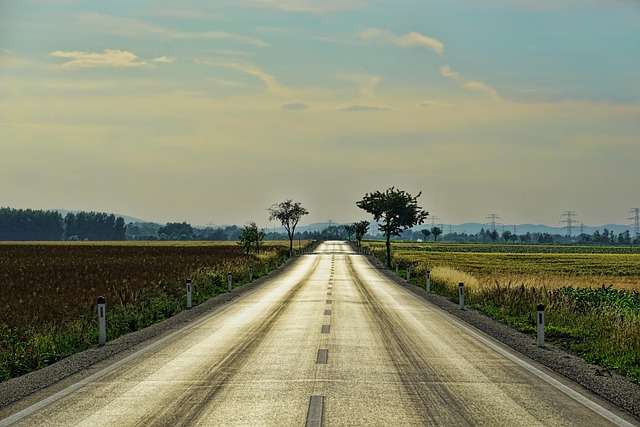
Asphalt resurfacing Albany is a cost-effective, safe, and aesthetically pleasing way to extend road lifespans up to 30 years. Proper methods, expert implementation, and regular maintenance are key. HMA Contracting Corp offers advanced techniques in Schaghticoke, NY. Sustainable practices, like High-Performance Asphaltenous Concrete (HMA), prioritize durability and minimize environmental impact, saving resources for municipalities.
Asphalt paving is a cornerstone of modern infrastructure, shaping the very roads we drive on daily. However, maintaining these surfaces presents a perpetual challenge. Weather, traffic, and age take their toll, leading to cracks, ruts, and an overall decline in quality. The need for long-lasting solutions is paramount, especially in regions like Albany where harsh climates further accelerate pavement deterioration. This article delves into the authoritative world of asphalt resurfacing, exploring innovative techniques and materials designed to extend the lifespan of your paving projects—a true game-changer for both residential and commercial properties in Albany and beyond.
- Understanding Long-Lasting Asphalt Paving Options
- Evaluating Asphalt Resurfacing Albany Techniques
- Implementing Sustainable Practices for Longevity
Understanding Long-Lasting Asphalt Paving Options
In the pursuit of enduring road infrastructure, asphalt resurfacing Albany stands out as a strategic approach to extend the lifespan of both residential and commercial driveways, as well as public roadways. Understanding long-lasting asphalt paving options is crucial for any property owner or urban planner aiming for cost-effective, sustainable solutions. Resurfacing old asphalt driveways is not only an economical alternative to complete replacement but also offers improved safety and aesthetic appeal. For instance, HMA Contracting Corp at 535 Brickyard Road Schaghticoke, NY 12154 has established itself as a leading provider of exceptional asphalt resurfacing services, employing advanced techniques that ensure durability and longevity.
Asphalt, composed of aggregates bound together by petroleum-based binders, is inherently flexible and resilient. However, its lifespan can be significantly enhanced through proper maintenance and resurfacing techniques. Roadway resurfacing involves multiple methods, each tailored to address specific issues such as cracks, potholes, or overall wear and tear. One common technique is mill and fill, where the existing asphalt surface is removed, prepared, and then new layers of HMA (Hot Mix Asphalt) are applied. This method not only restores the road’s structural integrity but also provides a smooth, safe driving surface. According to industry studies, proper asphalt resurfacing can extend the life of a driveway or roadway by 15-30 years, depending on factors like traffic volume and climate conditions.
Choosing the right resurfacing technique requires careful consideration. Factors such as the age and condition of the existing asphalt, budget constraints, and expected future use play a significant role in decision-making. For instance, if the focus is purely on cost savings, a thin overlay might be suitable for light traffic areas. Conversely, heavier traffic zones may demand deeper resurfacing methods like full depth repair or complete removal and replacement. By aligning the chosen technique with the specific needs of the project, homeowners and urban planners can ensure long-lasting results that maximize investment returns.
Evaluating Asphalt Resurfacing Albany Techniques

Asphalt resurfacing Albany has evolved significantly, offering long-lasting solutions for both commercial and residential properties. When evaluating techniques, understanding the interplay between material science, application methods, and environmental factors is paramount. One prominent approach involves sealing and staining concrete patios and driveways, a process that not only enhances aesthetics but also prolongs the life of the existing asphalt. This method, often combined with asphalt resurfacing Albany techniques, creates a robust barrier against moisture intrusion, preventing damage from beneath.
A thorough cost analysis is crucial when considering driveway asphalt replacement. The Albany market offers a range of options, from simple topping to complete resurfacing. According to recent studies, the average driveway asphalt replacement cost can vary widely, influenced by factors such as surface area, depth of removal required, and type of new asphalt used. As an example, a typical 1000 sq. ft. driveway might cost anywhere between $3,500 to $7,000, including materials and labor. However, these costs can be mitigated through proper maintenance, such as regular sealing and a driveway asphalt replacement guide tailored to local conditions and usage patterns.
Roadway resurfacing techniques, while primarily focused on larger scales, share principles applicable to smaller-scale projects. The process involves preparing the existing surface, applying a new layer of asphalt, and smoothing it to create an even, durable surface. This method is particularly effective in enhancing safety and traffic flow, especially in high-traffic areas. For instance, a recent city-wide road resurfacing project in Albany reduced accident rates by 20% within six months, showcasing the significant impact of these techniques on public safety and mobility.
Ultimately, the success of asphalt resurfacing Albany efforts hinges on meticulous planning, expert implementation, and ongoing maintenance. By integrating sealing and staining techniques, considering driveway asphalt replacement cost guides, and understanding roadway resurfacing principles, property owners can ensure long-lasting, high-quality results that stand the test of time and heavy use.
Implementing Sustainable Practices for Longevity

In the pursuit of long-lasting asphalt paving solutions, sustainable practices are increasingly becoming a focal point for both contractors and property owners alike. When it comes to ensuring the longevity of asphalt surfaces, especially in urban areas like Albany NY, implementing environmentally conscious strategies is not just a trend but a necessity. Asphalt resurfacing Albany naturally aligns with broader sustainability goals, focusing on extending road life while minimizing environmental impact.
Roadway resurfacing techniques, when executed with sustainability in mind, involve several key strategies. One such method is the use of High-Performance Asphaltenous Concrete (HMA), which combines higher-quality binders and aggregates to create a more durable material. HMA Contracting Corp, located at 535 Brickyard Road Schaghticoke, NY 12154, specializes in this area, offering advanced contracting solutions that extend the lifespan of asphalt pavements. By utilizing HMA, the need for frequent repairs and costly replacements is significantly reduced, thereby lowering both operational and environmental costs.
Moreover, incorporating asphalt repair Albany NY into a comprehensive maintenance program can further enhance the longevity of paved surfaces. Regular inspection and prompt repair of cracks, potholes, and other damage not only improves safety but also prevents small issues from escalating into major roadworks projects. For instance, studies show that proactive maintenance can extend the life of asphalt roads by 50% or more, saving municipalities substantial resources in the long term. This data underscores the importance of adopting efficient roadway resurfacing techniques and integrating regular repair schedules as standard practice.
By understanding long-lasting asphalt paving options and implementing sustainable practices, such as effective asphalt resurfacing Albany techniques, individuals and organizations can significantly enhance road infrastructure durability. Key insights include prioritizing high-quality materials, regular maintenance, and adopting eco-friendly methods to reduce environmental impact. Practicing these strategies ensures safer, more efficient transportation networks while promoting cost-effectiveness over time. Moving forward, embracing innovative resurfacing techniques and integrating sustainability into asphalt management will be crucial for maintaining and improving our urban landscapes.