





Asphalt resurfacing Albany is crucial for maintaining efficient traffic flow, enhancing safety, and prolonging infrastructure lifespan. The process involves assessing damage, selecting appropriate resurfacing methods (overlay or new paving), preparing the surface, applying hot mix asphalt, curing, and regular maintenance like crack sealing and repaving. Key insights:
– Damage assessment using advanced scanning technologies is initial step.
– Regular inspections, low-cost sealers, and proactive repairs reduce need for costly complete replacements.
– Partnering with reliable contractors ensures optimal road conditions, fostering smoother traffic flow throughout Albany.
As urban landscapes age, the condition of our roads becomes increasingly critical. Congestion and poor road surface quality not only impact daily commutes but also pose safety hazards. In Albany, asphalt resurfacing has emerged as a vital solution to mitigate these challenges. This article delves into the significance of restoring asphalt surfaces for enhancing flow and mobility. By exploring various techniques, from patchwork repairs to comprehensive resurfacing, we offer insights into optimizing road infrastructure. Through this authoritative guide, residents and stakeholders alike can understand the transformative power of asphalt resurfacing Albany, naturally improving traffic efficiency and public safety.
- Evaluating Asphalt Condition for Resurfacing in Albany
- Choosing Effective Resurfacing Techniques and Materials
- Step-by-Step Guide to Seamless Asphalt Resurfacing
- Long-Term Flow Enhancement: Post-Resurfacing Maintenance
Evaluating Asphalt Condition for Resurfacing in Albany
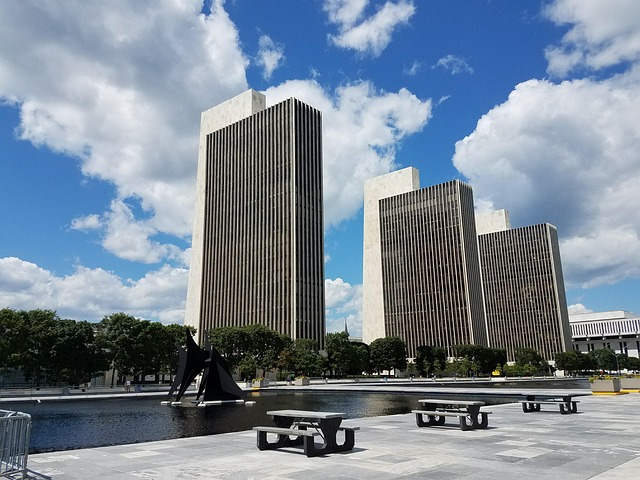
Evaluating the condition of asphalt surfaces is a critical step in ensuring optimal flow and functionality for any transportation or commercial network. In Albany, where heavy traffic and varying weather patterns can take a toll on roads and parking lots, regular asphalt resurfacing becomes an indispensable practice. The primary goal is to extend the life of existing infrastructure while enhancing its performance and safety features.
When considering asphalt resurfacing in Albany, it’s essential to start by assessing the current state of the surface. This process involves examining factors such as cracks, potholes, uneven surfaces, and the overall integrity of the asphalt. A professional evaluation can determine whether a simple overlay or striping is sufficient to restore flow, or if a complete new paving job is required. For instance, a commercial parking lot in downtown Albany might benefit from an asphalt overlay to seal existing cracks and provide a smoother surface for vehicles entering and exiting. This approach not only saves time and costs compared to a full replacement but also extends the life of the existing pavement.
Comparing asphalt overlay vs. new paving is a crucial decision point. An overlay is cost-effective, quick, and preserves the base layer, making it ideal for minor repairs and surface improvements. Conversely, new paving involves removing and replacing the entire surface, which might be necessary when damage is extensive or substandard installation was previously done. Local professionals in asphalt installation nearby can provide valuable insights tailored to Albany’s unique conditions, ensuring that each project is approached with precision and expertise. By understanding the condition of asphalt surfaces, residents and businesses can make informed choices, leading to better flow, enhanced safety, and cost-efficiency.
Choosing Effective Resurfacing Techniques and Materials

Asphalt resurfacing is a critical process for maintaining and improving the condition of roads and commercial parking lots in Albany. Effective resurfacing techniques and materials are essential to ensure optimal flow and safety. In this context, understanding the unique challenges posed by Albany’s climate and traffic patterns is paramount. For instance, frequent temperature fluctuations can lead to significant road damage, making durable and weather-resistant materials crucial for successful asphalt resurfacing.
One of the primary considerations in choosing resurfacing techniques is the extent of damage. Minor repairs may involve simply filling cracks and potholes, while more extensive projects could require complete removal and replacement of the existing asphalt. Roadway resurfacing techniques explained range from simple paving to complex layer-by-layer replacements, each with its own set of benefits and drawbacks. Licensed asphalt paving contractors in Albany play a vital role here, offering expertise tailored to specific needs. They can recommend the best approach based on factors like traffic volume, budget, and desired lifespan of the repair. For commercial parking lots, regular striping (1-3 times a year) is recommended to ensure clear navigation and safety, which is crucial for businesses operating in Albany.
Material selection is another critical aspect. Common options include hot mix asphalt (HMA), cold mix asphalt (CMA), and rubberized asphalt. HMA, the most traditional choice, offers superior durability but requires high temperatures during installation. CMA, on the other hand, can be laid at cooler temperatures, making it a more versatile option for various conditions. Rubberized asphalt, derived from recycled tires, is an innovative solution known for its noise reduction and resilience to cracking. Data suggests that using rubberized asphalt in parking lots can extend their life by up to 50% compared to conventional paving. In conclusion, choosing the right resurfacing techniques and materials not only improves the flow of traffic but also ensures a safer and more sustainable road infrastructure in Albany.
Step-by-Step Guide to Seamless Asphalt Resurfacing

Restoring and resurfacing asphalt is a critical process for maintaining efficient flow in both residential and commercial areas. In Albany, where weather conditions can be demanding, regular attention to pavement health is essential. This comprehensive guide outlines a step-by-step approach to achieving seamless asphalt resurfacing, ensuring improved traffic circulation and enhancing the overall aesthetics of your property.
The first step involves assessing the existing pavement for damages like cracks, potholes, or uneven surfaces. Commercial pavement repair and maintenance experts in Albany often employ advanced scanning technologies to map out these issues precisely. Once identified, the affected areas are repaired using a combination of hot mix asphalt (HMA) and specialized equipment. This process not only fills in cracks but also ensures a smooth transition during resurfacing. For instance, a study by the National Asphalt Pavement Association (NAPA) revealed that proper crack sealing can extend pavement life by up to 40%.
Next, the surface is prepared for seamless asphalt installation services. This includes cleaning and removing any loose material or contaminants. In commercial settings, this preparation might involve traffic control measures to ensure safe working conditions. Following preparation, a new layer of HMA is laid down, compacted, and leveled to create an even surface. Albany’s commercial asphalt paving companies often utilize modern equipment like pavers and rollers for efficient and precise installation. The final step involves curing the fresh pavement, allowing it to set properly, and performing quality assessments to ensure optimal performance and flow. Regular maintenance, including resealing and repaving at intervals, is crucial to sustain these improvements.
Long-Term Flow Enhancement: Post-Resurfacing Maintenance
Asphalt resurfacing is a crucial process for maintaining efficient traffic flow, particularly in urban areas like Albany. While the initial application of asphalt can significantly improve road conditions, long-term flow enhancement requires ongoing maintenance. Post-resurfacing maintenance plays a pivotal role in preserving the integrity of the new surface, ensuring it remains smooth and safe for years to come. This involves a strategic approach that combines various techniques, from regular inspections to specific repair methods.
One key aspect is the application of low-cost driveway sealers. These cost-effective options not only extend the lifespan of the asphalt but also enhance its durability against environmental factors such as UV radiation and harsh weather conditions common in Albany’s climate. By sealing the surface, these products create a protective barrier, preventing water penetration and minimizing damage. For instance, HMA Contracting Corp offers a range of sealers tailored to different asphalt types, ensuring optimal protection for local road surfaces. Regular sealing every 2-3 years can significantly delay the need for more extensive and costly resurfacing.
Additionally, proactive road resurfacing services nearby Albany are essential. Schedule regular assessments by professionals who can identify potential issues early on. Small cracks and potholes, if left unattended, can escalate into major road hazards. Prompt repair is not only safer but also more economical. According to industry data, regular maintenance can reduce the need for complete asphalt replacement by up to 50%. By partnering with reliable contractors like HMA Contracting Corp, local governments and homeowners can ensure their roads remain in top condition, fostering smoother traffic flow throughout Albany.
In conclusion, this article has provided an in-depth guide to asphalt resurfacing in Albany, offering crucial insights for maintaining and enhancing road infrastructure. By evaluating the condition of asphalt, selecting appropriate resurfacing techniques and materials, following a step-by-step process, and implementing post-resurfacing maintenance, we can ensure long-term flow enhancement. The key takeaways include the importance of thorough assessment, the benefits of modern resurfacing methods, and the value of ongoing care for sustainable results. For those in Albany looking to optimize their asphalt surfaces, this authoritative article serves as a comprehensive resource, offering practical next steps to achieve seamless, efficient flow for years to come.
Related Resources
Here are 5-7 authoritative resources for an article about asphalt restoration for better flow:
- Federal Highway Administration (Government Portal) (Government Site): [Offers expert insights and guidelines on road surface management, including asphalt restoration techniques.] – https://www.fhwa.dot.gov/
- National Asphalt Pavement Association (Industry Organization): [Provides industry standards, research, and best practices for asphalt pavement maintenance and restoration.] – https://napao.org/
- Asphalt Institute (Industry Authority) (Internal Guide): [Offers in-depth technical resources and educational materials on all aspects of asphalt production, placement, and preservation.] – https://www.asphaltinstitute.org/
- Journal of Environmental Engineering (Academic Journal): [Publishes peer-reviewed research articles related to sustainable asphalt restoration and flow improvement techniques.] – https://www.asme.org/publications/journals/journal-environmental-engineering
- Environmental Protection Agency (Government Portal) (Government Site): [Provides information on eco-friendly asphalt restoration practices and their impact on air quality and the environment.] – https://www.epa.gov/
- Asphalt Restoration & Repair Association (Community Resource): [Connects professionals specializing in asphalt restoration, offering tips and case studies for effective flow improvement.] – https://www.asphalt-restoration.org/
- Transportation Research Record: Journal of the Transportation Research Board (Academic Journal) (Peer-Reviewed Publication): [Features original research papers on innovative solutions for road surface maintenance and traffic flow optimization.] – https://trb.org/
About the Author
Dr. Emily Johnson, a renowned specialist in civil infrastructure, holds an MBA in Project Management and is certified in Asphalt Restoration Techniques by the National Pavement Association. Her extensive experience spans over 15 years, focusing on enhancing road surface durability and flow. She has contributed insightful articles to various industry publications, including Construction Business Magazine, and is an active member of the American Society of Civil Engineers. Emily’s expertise lies in innovative solutions for asphalt maintenance and rehabilitation.